
Legado Milano and Oaxaca: A Bridge Between Tradition and Contemporary Design
Share
Our trip to the city of Oaxaca was an experience filled with history, culture, and unforgettable flavors. From the first moment we walked its colorful cobblestone streets, we felt the warmth of its people and the richness of its traditions.
We visited the historic center, where the majesty of the Cathedral and the imposing Temple of Santo Domingo de Guzmán transported us to another era. In its markets, the aromas of spices, chocolate, and corn enveloped us, inviting us to sample Oaxaca's vast cuisine. We delighted in the famous mole, a dish that epitomizes the complexity and richness of Mexican cuisine, with its multiple layers of flavors combining indigenous ingredients and ancestral techniques.
We couldn't miss out on mezcal, Oaxaca's quintessential spirit. With every sip, we discovered its smoky notes and depth of flavor, paired with traditional worm salt and oranges, which made the experience even more intense.
One of the most memorable moments was meeting the talented Oaxacan artisans, many of whom have received awards for the excellence of their work. In a town where 95% of women are engaged in craftsmanship, every piece they create is a work of art steeped in history and symbolism. From the breathtaking textiles of Teotitlán del Valle to the black clay ceramics of San Bartolo Coyotepec, each object reflects the soul of its creator and the identity of her community.
We were fortunate to observe the telar de cintura technique up close, a traditional weaving method dating back to pre-Columbian times. This ancient tool consists of a series of threads attached at one end to a pole or tree and at the other to a belt that the artisan wraps around her waist. Controlling the tension of the threads is accomplished through body movements, a skill that requires years of practice and dedication. With patience and mastery, the weavers intertwine the wool or cotton threads, creating geometric and symbolic patterns that tell the story of their community and their cultural roots. Each piece of fabric is unique, a living testimony to the Oaxacan identity and the fundamental role of women in keeping this extraordinary tradition alive.
We also visited the original alebrije sites, where we could observe the creative process of these extraordinary wooden sculptures up close. The artisans carve copal with precision and transform it into fantastical, colorful figures inspired by dreams and mythological creatures. The painting stage is a true art: with the finest brushes, the artists decorate each alebrije with meticulous detail and vibrant hues, giving them a unique and vibrant appearance.
We also explored the Barro Negro workshops in San Bartolo Coyotepec, where we witnessed the entire process of creating this iconic ceramic. We saw the traditional kilns where the clay is fired until it achieves its characteristic, brilliant black color, as well as the cleaning and polishing techniques that give the pieces their distinctive smooth, shiny finish. Each Barro Negro piece represents centuries of tradition and craftsmanship, passed down from generation to generation.
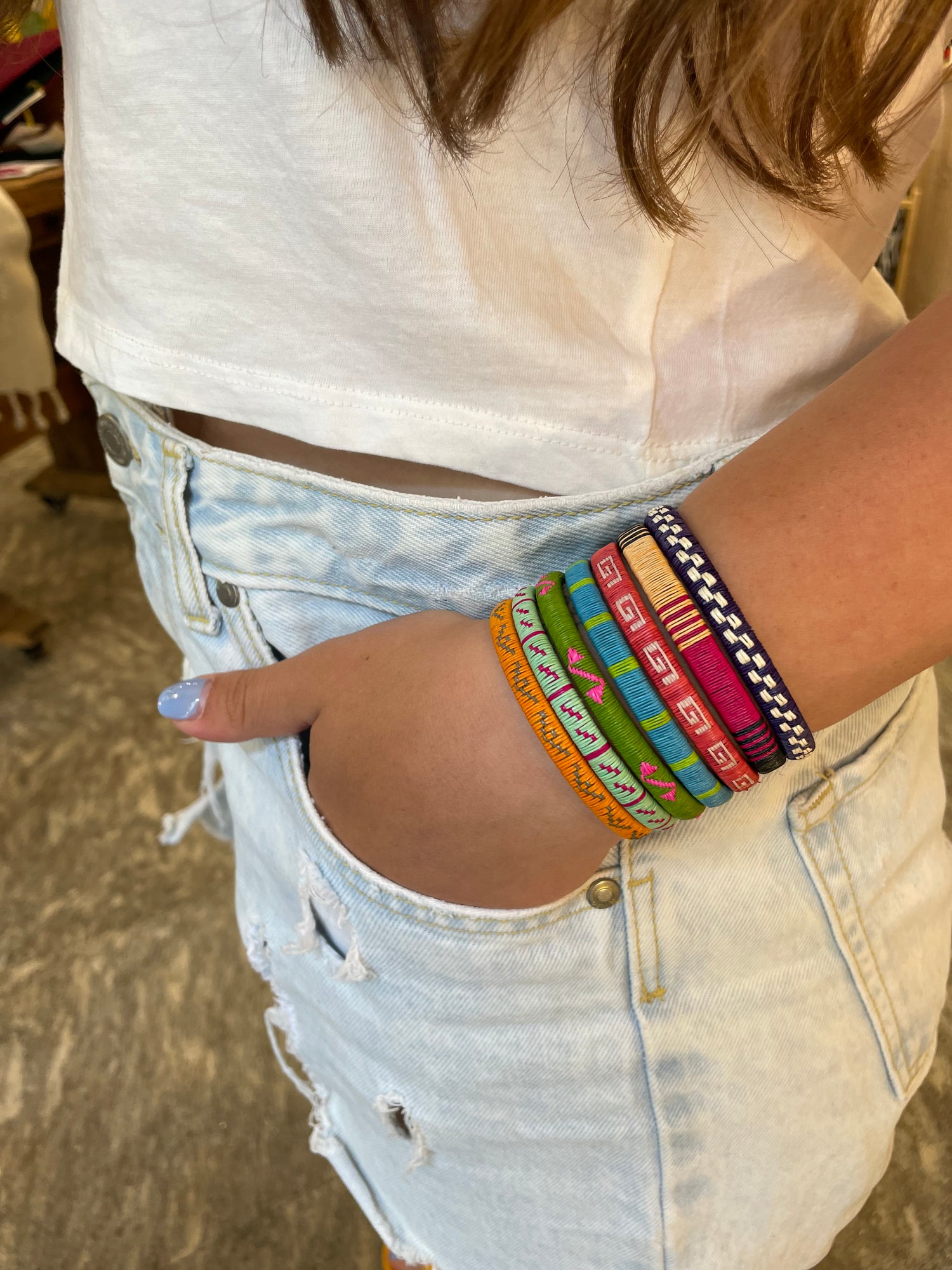
We've brought some of the most beautiful and significant works by these extraordinary artisans to display in our shop on Corso Magenta in Milan. Each piece tells a story, conveying the magic and authenticity of Oaxaca craftsmanship to anyone who wants to discover and appreciate this rich tradition.
This trip to Oaxaca allowed us to appreciate not only its architectural and gastronomic beauty, but also the inestimable value of its people, its art, and its cultural heritage. We took away not only indelible memories, but also a profound respect for a city where tradition lives on in every corner.
ADA LO CURTO AND GIANCARLO VOTTA